
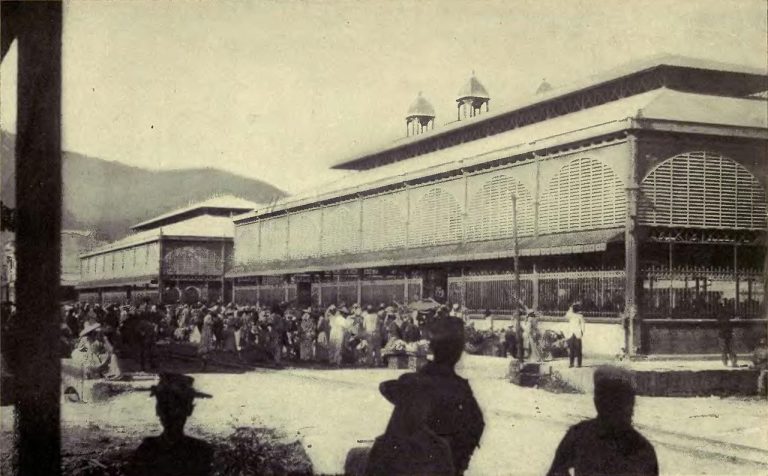
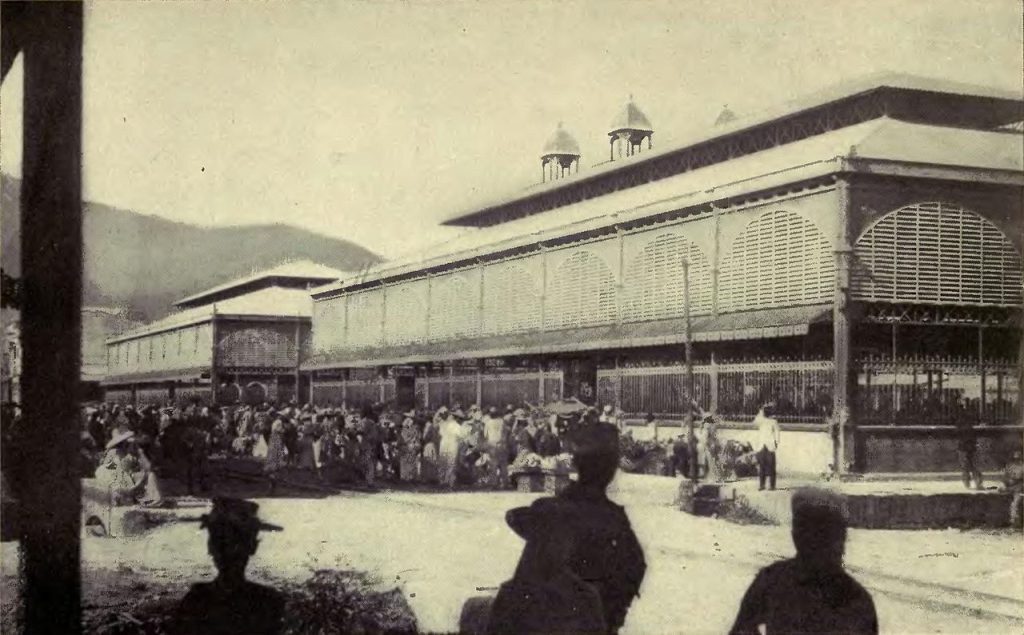
The Iron Market, also known as Marché Couvert de Jacmel, is a historic cast iron market located in Jacmel, Haiti. Constructed in the 19th century, it is renowned for its intricate decorative ironwork that exemplifies the craftsmanship of the era. The market serves as a vibrant hub for local vendors selling fresh produce, handicrafts, and traditional Haitian goods, reflecting the rich cultural heritage of the region. Its distinctive architecture and lively atmosphere attract both locals and tourists, making it a significant cultural landmark in Jacmel.
Over the years, the Iron Market has survived various challenges, including natural disasters such as the 2010 earthquake. Restorations have preserved its historic integrity while enabling it to continue functioning as a vital center for trade and community gathering. The market not only offers a glimpse into 19th-century architectural design but also embodies the lively spirit and artistic creativity of Jacmel’s community.
Interesting Facts
- Constructed in the 19th century with cast iron components imported from Europe
- Renowned for its decorative wrought ironwork and vibrant colors
- Serves as a primary marketplace for local produce, crafts, and souvenirs
- Endangered and damaged during the 2010 earthquake, subsequently restored
- Design reflects European influence blended with Haitian cultural motifs
- Important cultural and historical landmark of Jacmel
- Participates in local festivals and cultural events
Best Time to Visit
The best time to visit Jacmel and the Iron Market is during the dry season, which runs from November to March. During this period, the weather is generally sunny and warm, with minimal rainfall. This makes it ideal for exploring the city’s outdoor attractions and enjoying the market’s vibrant atmosphere. The market is typically open daily, but for the most lively experience, visiting on a weekday morning is recommended.
Other Nearby Attractions
- Bassin Bleu: A popular series of stunning waterfalls and electric-blue pools tucked away in the mountains near Jacmel.
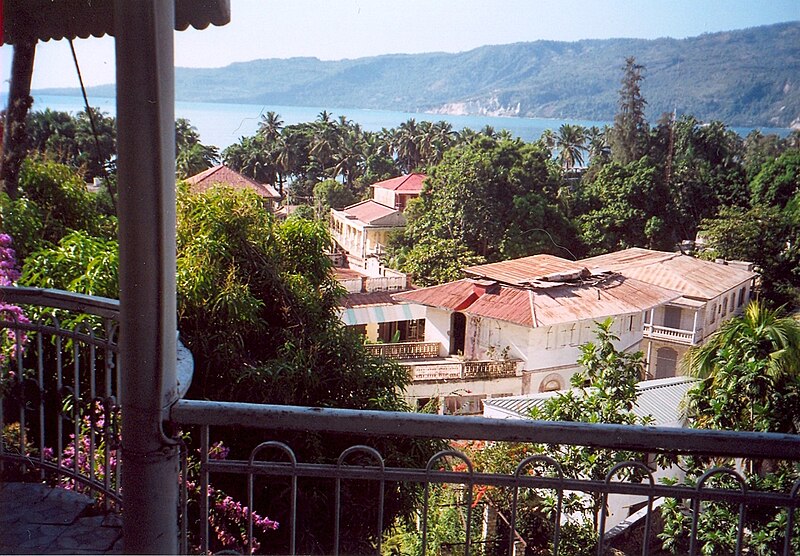
- Historic City Center: A great place for a walking tour, the historic core features 19th-century merchant houses with lacy ironwork, the Cathedral of Saint-Jacques, and various art galleries.
- Jacmel Arts Center & Lakou New York: Located in the historic center, these walkable hubs are home to local artisans and showcase Haiti’s prolific art scene, with studios and workshops available.
- Kabik Beach: Known as a great spot for surfing, this beach offers consistent waves and warm water.
Considerations for Travel
Getting to Jacmel from Port-au-Prince is typically done by car. The winding, scenic road takes about two hours. Once in Jacmel, the city is small enough to explore on foot, especially the historic center where the market is located. Motorcycle taxis are also a common and inexpensive way to get around the city. When visiting the market, be prepared to walk through a bustling, crowded area and be aware of your surroundings.
Top Accommodations
Jacmel offers a range of accommodations, from budget-friendly guesthouses to more established hotels. Prices can fluctuate based on the season, but here are some options:
- Hotel Florita: This historic hotel is known for its beautiful architecture and central location, with prices starting around $65-$100 per night.
- Hôtel Restaurant Cyvadier Plage: A beachfront option perfect for those wanting to relax by the water, with rates around $60-$90 per night.
- Le Creole Hideaway: A budget-friendly choice that often has rates as low as $45-$60 per night.
Photos:
Map:
Sorry, no records were found. Please adjust your search criteria and try again.
Sorry, unable to load the Maps API.
- No entrance fee
- vendors set their own prices for goods
Pets are generally not permitted inside the market to ensure hygiene and safety
- Handicraft stalls
- food vendors
- rest areas
- cultural displays
- local art exhibits
User:Doron, JacmelView, CC BY-SA 3.0, book by Jacques Nicolas Léger, photo uncredited, Public domain, via Wikimedia Commons