

Times Square is the beating heart of New York City, drawing around 50 million visitors every year. Its dazzling lights, giant billboards, and non-stop energy make it one of the world’s most famous attractions. Whether it’s Broadway shows, shopping, or the iconic New Year’s Eve ball drop, Times Square offers an unforgettable experience. Despite crowds and high prices, its magnetic charm continues to captivate millions from around the globe.
Times Square by the Numbers
Times Square is one of the busiest places on Earth. On peak days, nearly half a million people pass through, making it a constant hub of energy. Even during the pandemic, when foot traffic dropped to 125,000 daily visitors, the area’s appeal never faded. Now, as New York City’s tourism sector recovers, Times Square remains a top destination, contributing significantly to the city’s $80 billion tourism industry. Despite high prices and dense crowds, its magnetic charm continues to draw people from all over the world, proving that it’s an essential stop in NYC.
Historical Journey Through Times Square
It wasn’t always the entertainment giant it is today, but Times Square has transformed over the years into a world-renowned attraction. In 1904, it was renamed from Longacre Square when The New York Times moved its headquarters there, marking the start of its transformation. By the early 1900s, it became a bustling entertainment hub filled with theaters and businesses. However, the mid-20th century saw a decline, with the area gaining a reputation for crime and neglect.
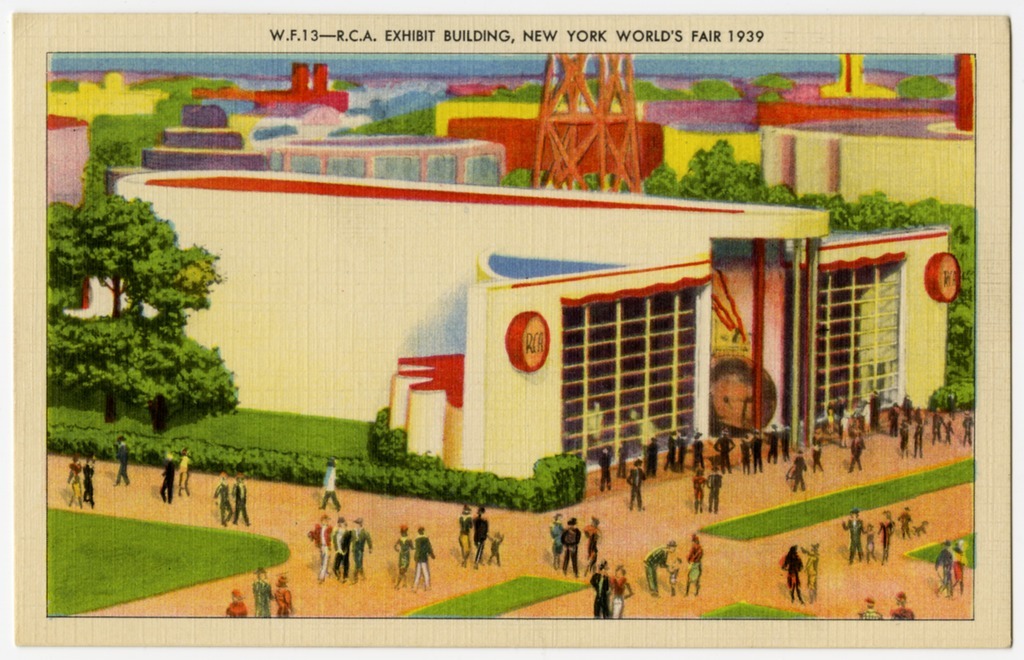
The 1990s brought a massive revitalization effort, making Times Square safer and more appealing. New security measures, cleaner streets, and major investments turned it into the lively, tourist-friendly attraction we see today. Now, millions flock here each year for its dazzling lights, Broadway performances, and the world-famous New Year’s Eve celebration. The 1939 World’s Fair showcased the city’s modernity and set the stage for urban renewal efforts in Times Square.
Entertainment Hub of New York
The epicenter of entertainment in New York City can be found in Times Square. The bright digital billboards, nonstop energy, and endless attractions make it a must-visit location. Whether you’re seeing a Broadway show, exploring top-tier shopping, or indulging in diverse dining experiences, there’s always something to do.
One of the biggest highlights is the New Year’s Eve ball drop, where over a million people gather in the square, while another billion watch from home. Even after setbacks from the COVID-19 pandemic, CBGB’s enduring influence on the music scene has also contributed to Times Square and remains the heart of NYC’s entertainment scene, proving its resilience time and time again.
Peak Tourist Seasons and Crowds
If you want to experience Times Square at its liveliest, visit in July or December. These months see the highest influx of tourists, with summer alone bringing about 5.5 million visitors each month. The holiday season is equally crowded, as people travel to New York for its festive atmosphere and famous holiday decorations.
Before the pandemic, NYC welcomed around 1.3 million visitors weekly, though Times Square’s daily count temporarily dropped to 125,000. Now, with tourism rebounding, the city is on track to reach its pre-pandemic record of 66.6 million annual visitors, solidifying Times Square’s status as one of the world’s most popular destinations.

Economic Impact on New York
Tourism plays a massive role in New York’s economy, contributing $80.3 billion in 2019 alone. International visitors, who typically spend around $1,709 per trip, help fuel local businesses, from hotels and restaurants to theaters and retail stores.
The pandemic significantly impacted tourism, causing visitor numbers to plummet to 22.3 million in 2020 and leading to a 31% job loss in the sector. However, NYC is making a strong comeback, expecting over 56 million visitors in 2022. This steady recovery is crucial in supporting thousands of jobs and revitalizing businesses that rely on tourism. The largest metropolitan zoo in the U.S. is located in the Bronx, showcasing the diverse range of attractions that draw visitors to the city.
Cultural Significance and Landmarks
New York is home to some of the most famous landmarks in the world. The Statue of Liberty welcomes over 4 million visitors annually, symbolizing freedom and democracy. Central Park, spanning 843 acres, attracts 42 million visitors a year with its scenic beauty and outdoor activities.
Other must-visit locations include Times Square’s bright lights, the Metropolitan Museum of Art, Grand Central Terminal’s stunning architecture, and the Empire State Building’s breathtaking views. These landmarks shape the city’s identity and make it one of the most visited places in the world.

Transportation and Accessibility Options
New York’s extensive transportation system makes it easy to navigate. Whether you arrive at JFK or LaGuardia, you have access to taxis, rideshares, and airport shuttles. The subway system remains the fastest and most affordable way to travel, with buses filling in the gaps.
Major hubs like Grand Central Terminal and Penn Station connect visitors to different parts of the city and beyond. Many areas, including Times Square, are walkable, but if you need to travel longer distances, taxis and ferries offer additional convenience. No matter how you choose to explore, NYC’s transportation network ensures you’re always connected to your next adventure.

Future Development and Growth Plans
New York City continues to evolve, with ambitious plans to enhance tourism and infrastructure. Nearly 20,000 new hotel rooms are being added, ensuring visitors have more options for accommodations. The city is also investing in mixed-use developments that combine hotels, entertainment, and dining experiences all in one place.
Efforts are also being made to improve transportation and public spaces, making it easier for visitors to get around. By promoting lesser-known neighborhoods and authentic cultural experiences, NYC aims to provide even more reasons for travelers to return. These initiatives will help maintain the city’s reputation as a top global destination for years to come.
Conclusion
Serving as a lasting symbol of New York’s vibrant culture, resilience, and entertainment industry, Times Square will continue to captivate visitors for years to come. As the city continues to grow and evolve, new developments and attractions will keep visitors coming back. Whether you’re a first-time tourist or a returning guest, Times Square offers an exciting glimpse into the energy and spirit of the city, ensuring it remains a must-visit destination for years to come.