

Brutalist architecture, known for its bold use of raw concrete and monumental scale, has long been a subject of controversy. Originally celebrated for its structural honesty and utilitarian design, it later drew widespread criticism for its perceived coldness, association with urban decay, and high maintenance demands. While its intentions were rooted in modernist ideals and social housing reform, many of its structures have been seen as uninviting, environmentally inefficient, and difficult to preserve.
Understanding the key criticisms of Brutalism offers insight into the ongoing debate surrounding its role in both architectural history and future urban development.
Key Takeaways
- Perceived Coldness: Brutalist buildings are often seen as cold, oppressive, and lacking human scale, contributing to feelings of discomfort and alienation in urban environments.
- Aesthetic Rejection: The raw concrete and stark, monolithic designs have frequently been labeled unattractive by the public, with some structures, like the Tricorn Centre, becoming infamous for their visual impact.
- High Maintenance Costs: Exposed concrete is prone to weathering and deterioration, leading to costly upkeep and, in some cases, abandonment or demolition due to poor condition.
- Links to Urban Decay: Brutalist housing projects have been associated with crime, social isolation, and neglect, reinforcing their reputation as symbols of urban decline—though often due to policy and maintenance failures, not design alone.
- Sustainability Challenges: While not energy-efficient by today’s standards, Brutalist buildings pose a dilemma—demolishing them adds to the carbon footprint, while retrofitting is expensive but more sustainable.
Perceived Coldness and Lack of Human Scale
Brutalist architecture is frequently criticized for its stark, monolithic appearance, often perceived as cold and uninviting. The massive concrete forms, while intended to convey strength and permanence, are said to ignore human scale, making occupants and passersby feel dwarfed or overwhelmed.
Without ornamentation or decorative elements, these buildings tend to lack warmth and individuality, contributing to a sense of alienation. Critics argue that such imposing environments can evoke discomfort or unease, undermining their original goals of creating functional, communal spaces.
The visual weight and severity of Brutalist structures often dominate their surroundings, leading many to view them as harsh rather than harmonious additions to the urban landscape.
Aesthetic Challenges and Public Reactions
While Brutalist architecture was initially praised for its bold innovation and structural honesty, it has faced persistent criticism for its austere aesthetics and polarizing public reception. The heavy reliance on raw concrete, combined with massive, block-like forms, often conveys a sense of coldness and monotony.
Many perceive these buildings as visually oppressive, lacking the warmth or charm of more traditional styles. Notable cases, such as the Tricorn Centre in Portsmouth—once dubbed Britain’s worst building—exemplify this backlash. The association of Brutalist structures with urban decay and institutional design, including comparisons to Soviet-era architecture, has further cemented their unpopularity.
Aesthetic challenges, coupled with maintenance issues, continue to shape negative public opinion, leading to widespread calls for demolition or redevelopment of many Brutalist landmarks.
Maintenance Issues and Structural Deterioration
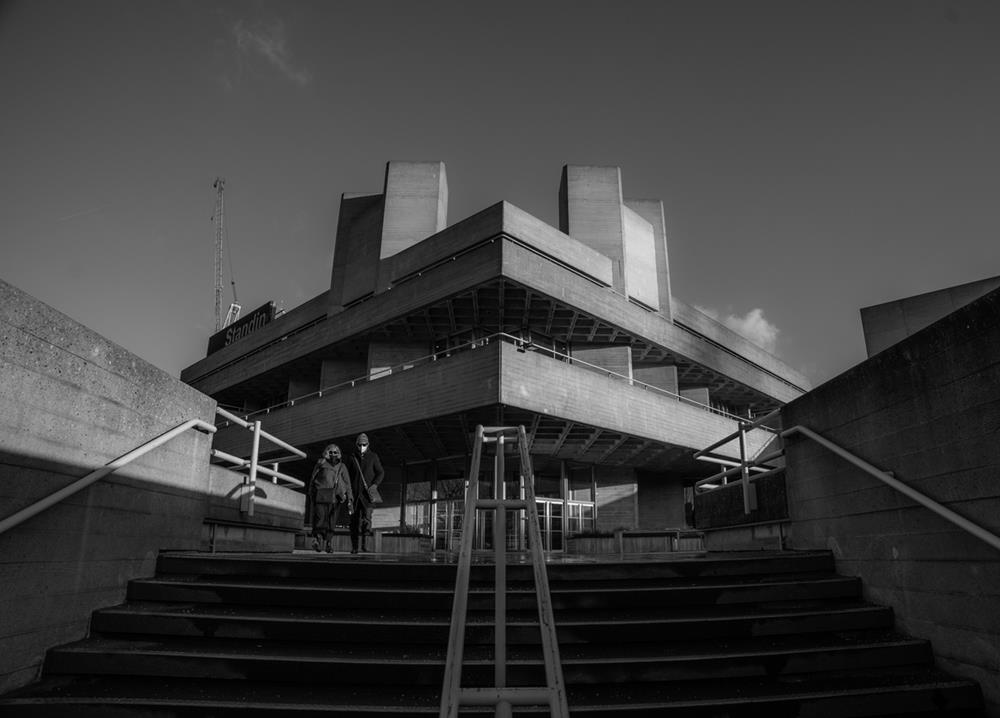
Despite their architectural ambition, Brutalist buildings are frequently plagued by maintenance challenges that undermine both their durability and public perception. The exposed concrete façades—central to the Brutalist aesthetic—are highly susceptible to weathering, leading to visible staining, cracking, and surface erosion over time.
These signs of decay often reinforce the style’s harsh appearance, making such structures seem neglected or unwelcoming. Repairing and preserving Brutalist buildings poses a significant financial burden, particularly for municipalities, which may lack the resources for consistent upkeep.
Many of these buildings were not designed with energy efficiency in mind, making the retrofitting of modern HVAC systems both complex and costly. As a result, some Brutalist structures fall into disrepair or are demolished altogether, as the expense of preserving their unique architectural identity often outweighs available funding.
Association With Urban Decay and Societal Issues
Brutalist architecture often finds itself at the center of criticism due to its association with urban decay and societal issues. Many Brutalist structures, originally part of ambitious government projects, have become symbols of bureaucratic failure.
Critics argue these massive, concrete buildings contribute to alienation, making communities feel cold and unwelcoming. The lack of human scale in their design often leaves you feeling insignificant and isolated, exacerbating societal issues rather than solving them.
Over time, neglect and deterioration of these structures, with crumbling facades and unsightly staining, reflect a broader societal neglect. Architectural critics frequently highlight how these intended improvements to living conditions have instead contributed to urban decline, solidifying Brutalism’s negative stigma in public perception.
Environmental Concerns and Sustainability Debates

While Brutalist architecture is often criticized for its ties to urban decay, it faces another significant challenge: environmental concerns and sustainability debates.
These concrete structures typically lack energy efficiency, leading to high energy consumption and notable carbon emissions. The original construction processes also involved substantial carbon outputs, raising sustainability issues.
However, demolishing these aging buildings isn’t the answer, as it produces waste and adds to the carbon footprint of new projects. Instead, retrofitting provides a more sustainable solution, preserving the embodied energy of the materials.
Here are three key points:
- High energy consumption: Poor insulation in concrete structures leads to inefficiencies.
- Sustainability challenges: Original construction methods had high carbon emissions.
- Retrofitting and preservation: Align with sustainability by reducing waste and conserving resources.
Brutalist architecture remains a subject of ongoing debate—admired for its bold vision and structural honesty, yet challenged by aesthetic, social, and environmental concerns. As cities evolve, the future of these concrete landmarks hinges on thoughtful preservation, adaptive reuse, and a renewed understanding of their place in architectural history.